
The best coatings for furniture manufacturers and modular kitchens are two-component polyurethane (PU) systems for durability, waterborne PU for low-emission production and UV-cured or soft feel finishes for specific looks. Choose by substrate, daily use and production line, not price alone. Working with trusted paint manufacturers in India also gets you consistent batches, sample panels and technical support.
Why Coating Choice Matters More in Kitchens
A bedroom wardrobe and a kitchen shutter face very different conditions. Kitchens deal with steam, oil, heat, spills and daily cleaning.
A weak finish shows up quickly as peeling edges, swelling, yellowing or dull patches. For a manufacturer, that means warranty claims and unhappy dealers.
Main Coating Types Compared
| Coating type | Strengths | Limits | Best for |
| 2K PU | Tough film, good stain and scratch resistance | Needs correct mixing and ventilation | Kitchen shutters, wardrobes, doors |
| NC lacquer | Fast drying, easy to repair, lower cost | Lower heat and chemical resistance | Decorative, low-wear furniture |
| Melamine/polyester | High build, strong gloss | Harder to repair, needs skilled application | High-gloss panels |
| UV-cured | Very fast cure, high throughput | Needs UV line, best on flat parts | Large-volume panel production |
| Waterborne PU | Lower odour and VOC | Needs controlled drying conditions | Low-emission and export-focused lines |
| Soft feel coating | Velvety matte touch, reduced glare | Choose wear-resistant grades | Premium doors, tabletops, handles |
Performance varies by formulation. Always check the technical data sheet.
Best Coatings by Application
Modular Kitchen Shutters and Cabinets
Two-component PU is the usual starting point for shutters because it handles moisture, stains and cleaning better than most basic options. Anti-fingerprint matte and high-gloss versions are both common.
Seal MDF edges and back faces properly. Many swelling complaints begin there, not on the visible surface.
Wardrobes, Doors and Living Room Furniture
PU or NC systems both work, depending on budget and wear. Wardrobes in daily use benefit from PU. Decorative pieces can use NC if easy repair matters.
Tabletops and Handles
These surfaces are touched constantly, so abrasion and stain resistance matter most. A soft feel coating gives a warm, premium touch, but pick a grade built for wear.
Office, Retail and Hospitality Furniture
High-traffic furniture needs tough, easy-to-clean finishes. Specify scratch and chemical resistance and request wear testing data.
Questions to Ask Before You Choose
Use this checklist when comparing coating options:
- Substrate: MDF, plywood, HDF and particleboard each absorb and seal differently.
- Production line: spray booth, curing time and throughput should fit the system.
- Finish target: matte, gloss, textured or soft touch.
- Use conditions: heat, steam, UV and cleaning chemicals.
- Regulation and buyer needs: low-emission expectations are rising. The US EPA regulates formaldehyde emissions from composite wood and finished goods sold in the US, so exporters should check what their buyers require.
- Repairability: how easily can your team fix minor damage on site?
What We See Go Wrong on the Shop Floor
From practical finishing experience, most problems trace back to process, not product:
- Poor sanding or dust left on the surface before coating
- Unsealed edges that absorb moisture
- Wrong mixing ratios on two-component systems
- Coats applied too thick or too fast
- Parts packed before the film has fully cured
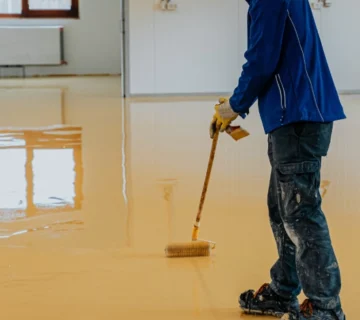
A good finishing process runs in this order: clean, sand, seal, prime, apply topcoat, cure fully, inspect. Skipping a step shows up later as a complaint.
Climate Considerations: Gujarat, Africa and Sri Lanka
Heat, humidity and strong UV affect how coatings dry and age. Monsoon moisture is a particular risk for MDF and particleboard.
If you supply to Gujarat, other Indian states, Africa or Sri Lanka, tell your paint supplier about your end-use conditions. Packaging and shelf life matter too, especially on longer shipping routes.
How to Choose a Paint Manufacturer for Furniture Work
A reliable partner makes a bigger difference than a single product claim. Look for:
- Technical data sheets and safety documents on request
- Sample panels and trial batches before bulk orders
- Colour matching and shade consistency across batches
- Application support when something goes wrong
- Clear lead times. A paint manufacturer in Ahmedabad or elsewhere in Gujarat can often shorten delivery for domestic buyers.
Whether you need a paint supplier in India for one product line or steady monthly supply, ask for proof first. Test a sample on your own board before committing.
Final Takeaway
Pick 2K PU when durability leads, waterborne PU when low emissions matter, UV-cured systems for high-volume flat panels and soft feel finishes for a premium touch. In every case, edge sealing, surface preparation and a transparent supplier decide how long the finish lasts.
Looking for the right system for your furniture or kitchen line? Nano Polycoat can help you match coatings to your substrate, production setup and finish goals.
Frequently Asked Questions
- What are the best coatings for furniture manufacturers?
The best coatings for furniture manufacturers are usually two-component polyurethane (PU) for durability, waterborne PU for low emissions and UV-cured systems for high-volume lines. The right choice depends on substrate, finish, production setup and budget. Always validate with a sample panel before bulk production. - Which paint is best for modular kitchen shutters?
For modular kitchen shutters, two-component PU paint is a popular choice because it holds up well against moisture, stains, scratches and cleaning agents. High-gloss and matte versions are both available. Proper sealing of MDF edges matters just as much as the topcoat for long-lasting results. - What is the difference between PU and NC coatings for wood?
NC (nitrocellulose) lacquer dries fast, is easy to repair and costs less, but offers lower heat, moisture and chemical resistance. PU coatings cure into a tougher film that suits kitchens and high-use furniture. Choose NC for decorative, low-wear pieces and PU for demanding surfaces. - How do I choose a paint manufacturer in Ahmedabad for furniture finishing?
Choose a paint manufacturer in Ahmedabad that provides technical data sheets, sample panels, colour matching and application support. Ask about batch consistency, drying times and compatibility with your primer and substrate. Local manufacturers can also offer faster delivery and quicker on-site troubleshooting. - Is waterborne paint suitable for kitchen furniture?
Yes, modern waterborne PU systems can suit kitchen furniture, offering lower odour and reduced VOC emissions. Performance depends on the formulation and correct application, including adequate drying and curing. Test chemical, stain and moisture resistance on sample panels before switching production lines. - Can a paint supplier in India deliver to Africa or Sri Lanka?
Many Indian paint suppliers ship to Africa and Sri Lanka. Confirm packaging, shelf life, safety documents, minimum order quantities and shipping terms before ordering. Request a trial batch and share your climate and substrate details so the supplier can recommend a suitable system.