
Getting a flawless finish on wooden furniture is not just about using excellent paint; it’s about applying it correctly. Understanding how to apply PU paint can help you achieve a smooth, durable and professional-looking surface.
If you’re sourcing high-quality materials from a trusted PU paint Manufacturer in Ahmedabad, explore reliable solutions here.
This step-by-step guide shares practical methods used in real workshops to help you get the best results.
Why PU Paint is Preferred for Wooden Furniture
PU (Polyurethane) paint is widely used because it offers both protection and premium aesthetics.
Key Benefits
- Strong resistance to scratches and stains
- Smooth, even finish with high clarity
- Long-lasting durability
- Moisture and heat resistance
Professionals in furniture manufacturing prefer PU coatings because they maintain finish quality over time with minimal maintenance.
Tools and Materials Required
Before starting, ensure you have the right setup.
Essential Tools
- Sandpaper (various grits: 120, 220, 320+)
- Spray gun or high-quality brush
- Clean cloth or tack cloth
- Mixing containers
Materials Needed
- PU primer
- PU paint (clear or pigmented)
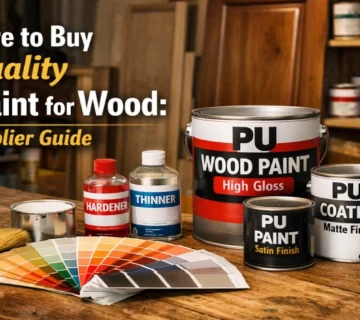
- PU thinner
- Hardener (if required)
Using compatible products from a reliable PU paint supplier in India ensures better adhesion and finish.
Step-by-Step Process to Apply PU Paint
Following a structured process makes a significant difference in final results.
Step 1: Surface Preparation
Proper preparation is the foundation of a smooth finish.
- Sand the wooden surface evenly
- Remove dust and grease completely
- Ensure the surface is dry and clean
Skipping this step often leads to uneven texture and poor adhesion.
Step 2: Apply PU Primer
Primer helps seal the wood and improves paint bonding.
- Apply a uniform coat of PU primer
- Let it dry completely
- Lightly sand the surface (320 grit)
This creates a smooth base for the topcoat.
Step 3: Mixing PU Paint Correctly
Mixing is a critical step in how to apply PU paint effectively.
- Follow manufacturer-recommended ratios
- Mix paint, thinner and hardener properly
- Avoid over-thinning
Incorrect mixing can cause issues like poor drying or a weak finish.
Step 4: First Coat Application
Apply the first coat carefully.
- Use a spray gun for best results
- Maintain consistent pressure and distance
- Apply thin, even layers
Allow proper drying time before the next step.
Step 5: Intermediate Sanding
After the first coat dries:
- Sand lightly with fine grit (400-600)
- Remove dust thoroughly
This step helps achieve a smooth and professional finish.
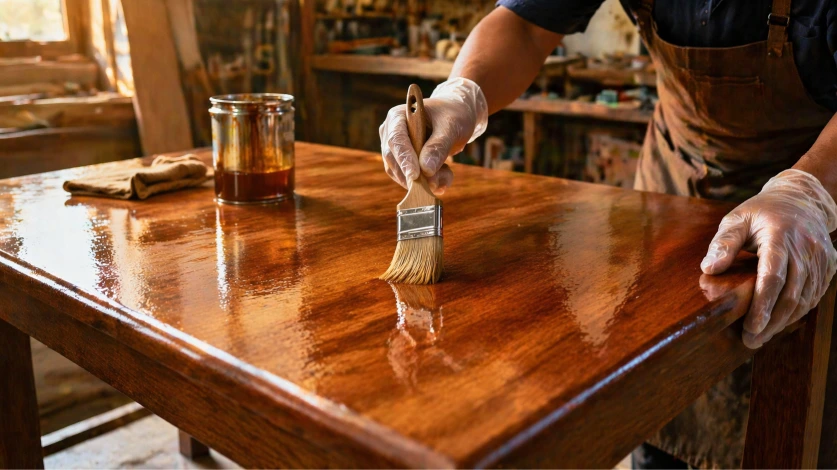
Step 6: Final Coat Application
Apply the final coat with precision.
- Ensure even coverage
- Avoid over-spraying
- Maintain a clean environment
The final coat defines the gloss and texture of the finish.
Step 7: Drying and Curing
Proper curing is essential for durability.
- Allow sufficient drying time
- Avoid touching or using the surface immediately
- Maintain dust-free conditions
For safety and proper ventilation during application, refer to guidelines from OSHA.
Common Mistakes to Avoid
Even experienced users can face issues if basic precautions are ignored.
- Over-thinning the paint
- Skipping sanding between coats
- Applying thick layers
- Poor surface cleaning
- Ignoring drying time
Avoiding these mistakes ensures better finish quality and durability.
Professional Tips for a Smooth Finish
Based on industry experience, these tips can improve your results:
- Always work in a dust-free environment
- Use spray application for a uniform finish
- Maintain consistent temperature and humidity
- Use high-quality thinner and hardener
- Test on a small surface before full application
A reliable PU paint supplier in Ahmedabad can also guide you with product-specific recommendations.
Applications Across Industries
Understanding how to apply PU paint is useful across multiple sectors.
Furniture & Wood Industry
- Cabinets, doors and panels
- Modular furniture
Construction & Interior Design
- Decorative woodwork
- Interior finishing
Industrial Use
- Wooden components
- Export-quality products
DIY Projects
- Home furniture restoration
- Custom wood finishes
To Conclude…
Mastering how to apply PU paint ensures a smooth, durable, and high-quality finish on wooden furniture. The right process, tools, and materials play a key role in achieving a professional result with long-lasting protection.
Using products from trusted manufacturers like Nano Polycoat helps ensure better adhesion, consistent finish, and reliable performance across different applications.
Whether you are a professional or a DIY user, working with a dependable PU paint manufacturer in Gujarat supports consistent results, improved durability and a refined final finish.
FAQs
- How to apply PU paint on wooden furniture step by step?
Start with surface sanding, apply primer, mix PU paint correctly, apply thin coats, sand between layers and finish with a final coat followed by proper curing.
- Which PU paint is best for wooden furniture?
The best PU paint offers strong adhesion, a smooth finish and durability. Choose products from reliable manufacturers with proven quality and technical support.
- Can I apply PU paint without a spray gun?
Yes, but spray application provides a smoother and more uniform finish compared to brushes or rollers.
- How long does PU paint take to dry?
Drying time depends on the type and conditions, but typically it takes a few hours for surface drying and 24-48 hours for full curing.
- What is the role of thinner in PU paint application?
Thinner adjusts viscosity, improves flow and ensures smooth application. Using the correct thinner is essential for best results.
- Is sanding necessary between PU paint coats?
Yes, light sanding between coats improves adhesion and creates a smoother finish.
- Can PU paint be used for outdoor wooden furniture?
Yes, PU paint provides good resistance to moisture and weather when applied correctly.