
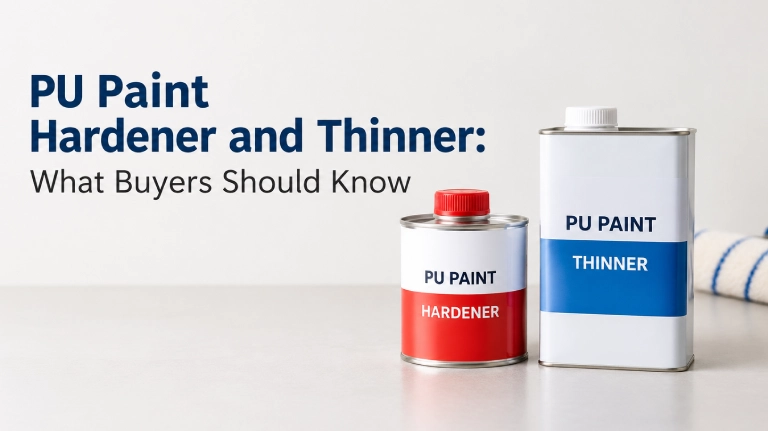
PU paint hardener and thinner perform different jobs in a polyurethane coating system. The hardener reacts with the PU base to form the cured coating, while the thinner helps adjust viscosity for application. The correct combination affects drying, film formation, spray performance, gloss and final coating quality.
If you are comparing PU paint systems, start with the manufacturer’s technical instructions rather than choosing hardener or thinner by price alone. For more information about PU coating systems, see PU Paint Manufacturers in India.
What Is PU Paint Hardener?
PU paint hardener is the curing component used with a two-component polyurethane coating. It reacts with the resin or base component and allows the coating to develop its final film properties.
The exact chemistry depends on the PU system. Therefore, one hardener should not automatically be assumed to work with every PU paint.
For buyers, the important points are
- Check that the hardener is compatible with the specific PU paint.
- Follow the recommended mixing ratio.
- Observe the stated pot life after mixing.
- Mix the components properly before application.
- Avoid substituting a different hardener without technical confirmation.
A correct hardener selection is important because changing the curing component can affect drying, hardness, adhesion, gloss and other coating properties.
What Is PU Paint Thinner?
PU paint thinner is a solvent blend used to adjust the viscosity of PU paint for application. It can help the coating flow through spray equipment and achieve the required application consistency.
However, thinner does not replace hardener.
The amount and type of thinner can vary according to the coating, spray method, temperature and required finish. Product data sheets from major coating manufacturers demonstrate that thinner quantities can differ significantly between systems and application methods.
Using too much thinner can also create problems. Excessive thinning may reduce film build, affect sag resistance, slow curing, or change the final appearance.
PU Paint Hardener vs. PU Paint Thinner
| Feature | PU Paint Hardener | PU Paint Thinner |
| Main purpose | Cures the PU coating | Adjusts application viscosity |
| Used with | Compatible PU base | Compatible PU coating system |
| Affects curing | Yes | Indirectly |
| Controls spray viscosity | Not its main function | Yes |
| Can replace the other? | No | No |
| Mixing instructions | Must follow product specification | Must follow product specification |
The simplest way to remember the difference is
Hardener helps the coating cure. Thinner helps the coating apply correctly.
How Much Hardener and Thinner Should Be Added?
There is no single hardener or thinner ratio that applies to every PU paint.
The correct amount should come from the product’s technical data sheet. Published PU coating specifications use different base-to-hardener and thinner ratios depending on the product and application method.
Before mixing, buyers should confirm:
- Base-to-hardener ratio
- Recommended thinner
- Thinner percentage or range
- Application method
- Spray equipment requirements
- Pot life
- Drying or curing conditions
- Recommended film thickness
Do not increase hardener simply to make the paint dry faster and do not add excessive thinner to make spraying easier. Both can change the coating result.
What Happens When PU Paint Is Mixed Incorrectly?
Incorrect mixing can create several application and performance problems.
Too Much Hardener
Adding more hardener than specified does not necessarily produce a stronger coating. It can disturb the intended formulation balance and may affect appearance, curing, flexibility, or other properties.
Too Little Hardener
Insufficient hardener can result in incomplete curing, slower development of film properties, poor resistance, or a coating that remains softer than expected.
Too Much Thinner
Excess thinner can reduce film build and may affect sag resistance or curing. Some coating manufacturers specifically warn against over-thinning.
Wrong Thinner
A thinner that is not compatible with the coating system may affect flow, drying, gloss, surface appearance, or application stability.
Why Pot Life Matters in PU Paint
Once the hardener is mixed with the PU base, the material has a limited usable working period called pot life.
Pot life depends on the coating system and conditions such as temperature. For this reason, buyers and applicators should avoid mixing more material than can reasonably be used within the specified working period.
Some published PU coating data sheets, for example, specify a defined pot life after mixing and warn against using material after that period.
For production environments, tracking mixing time can help reduce waste and prevent inconsistent application.
How Should Buyers Choose PU Hardener and Thinner?
When purchasing from a PU paint manufacturer or PU paint supplier, ask for the complete coating system rather than buying components separately without compatibility information.
A useful buyer checklist includes:
- PU paint or base component
- Compatible hardener
- Recommended PU paint thinner
- Mixing ratio
- Application viscosity
- Pot life
- Drying and curing information
- Recommended spray method
- Technical Data Sheet (TDS)
- Safety Data Sheet (SDS)
- Storage and handling instructions
For furniture and wood applications, surface preparation and application conditions can be especially important. Automotive and industrial applications may have different application requirements.
A manufacturer that provides clear technical information can make product selection easier and reduce trial-and-error during production.
PU Paint Hardener and Thinner for Different Applications
The correct system depends on the application.
Automotive Applications
Automotive refinishing can require controlled viscosity, spray behavior, flash-off, drying and finish quality. The paint, hardener and thinner should therefore be selected as a compatible system.
Furniture and Wood
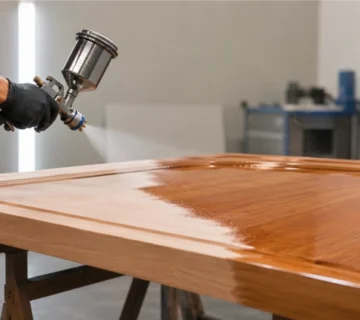
Wood coatings may require attention to flow, appearance, sanding between coats, drying and final feel. The recommended thinner should be selected according to the PU coating system.
Industrial and Machinery Coatings
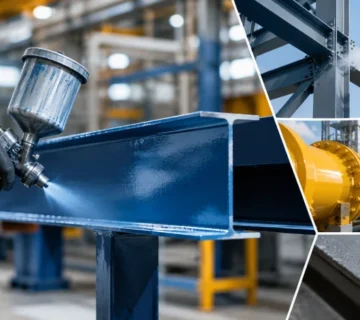
Industrial users may place greater emphasis on adhesion, film build, resistance, application speed and consistent production results.
This is why a PU paint manufacturer should understand the application rather than recommending a thinner only because it reduces viscosity.
Safety Considerations When Handling PU Paint
PU coatings can involve isocyanates, depending on the formulation. OSHA identifies polyurethane paints among applications where isocyanate exposure can occur and notes potential respiratory, skin and eye hazards.
Use the product’s SDS and workplace safety procedures for handling, storage, ventilation, personal protective equipment and spray application.
For buyers, safety documentation should be part of the purchasing process, not an afterthought.
You can also review the OSHA guidance on isocyanates for general workplace hazard information.
What Should You Ask a PU Paint Manufacturer?
Before placing a bulk order, ask these practical questions:
- Which hardener is compatible with this PU paint?
- What is the exact mixing ratio?
- Which thinner should be used?
- What thinner percentage is recommended?
- What is the pot life after mixing?
- What application method is recommended?
- Is the system intended for wood, automotive, metal, machinery, or another application?
- Can the manufacturer provide the TDS and SDS?
These questions help buyers compare products based on technical suitability rather than price alone.
Final Takeaway
PU paint hardener and PU paint thinner have different roles and both need to be compatible with the coating system. The hardener controls the curing reaction, while the thinner helps achieve suitable application viscosity.
For consistent results, follow the manufacturer’s TDS, use the specified hardener and thinner, respect the mixing ratio and pot life and avoid unnecessary changes to the formulation.
Nano Polycoat manufactures and supplies PU coating products and related paint materials for different industrial, automotive, furniture, wood and other coating applications. Buyers can discuss their application, substrate and required finish before selecting a PU paint system.
Frequently Asked Questions
- What is PU paint hardener used for?
PU paint hardener is the curing component used with compatible polyurethane paint systems. It reacts with the base component and allows the coating to cure and develop its intended film properties. The correct hardener and mixing ratio depend on the specific PU paint formulation.
- What is PU paint thinner used for?
PU paint thinner is used to adjust the viscosity of a compatible PU coating for application. It can improve spray behavior and flow when used at the recommended level. It does not replace the hardener and should always be selected according to the coating manufacturer’s instructions.
- Can I use any thinner with PU paint?
No. PU paint thinners are not automatically interchangeable. Different polyurethane systems can require different solvent blends and application levels. Using an unsuitable thinner may affect drying, flow, gloss, film formation, or curing. Buyers should confirm the recommended thinner with the PU paint manufacturer before use.
- How much hardener should I add to PU paint?
The required hardener amount depends on the PU coating formulation. There is no universal ratio for every product. Always follow the technical data sheet supplied by the PU paint manufacturer. Changing the hardener quantity without technical guidance can affect curing and final coating performance.
- What happens if I add too much PU paint thinner?
Excessive thinner can reduce film build and may affect sag resistance, curing, drying and final appearance. The correct amount depends on the coating and application method. Published coating specifications commonly provide a specific thinner range rather than recommending unrestricted dilution.
- How do I choose a PU paint manufacturer in India?
Compare the complete coating system rather than only the paint price. Ask the PU paint manufacturer for compatible hardener and thinner recommendations, mixing ratios, pot life, application instructions, TDS, SDS and product suitability for your substrate and application.
- Can a PU paint supplier provide paint, hardener and thinner together?
Yes, a PU paint supplier may provide the compatible coating components as a system. For production use, buyers should confirm that the paint, hardener and thinner are designed to work together. This can reduce compatibility problems and make mixing and application easier.