
Polyurethane (PU) paint is widely used because it provides a smooth finish, excellent durability, and long-lasting protection. Whether you are painting furniture, metal equipment, automotive parts, or industrial machinery, following the correct application process makes a significant difference in the final result.
Before starting, it’s important to understand the quality of the coating you are using. Choosing reliable PU paint manufacturers in India ensures better performance, consistency, and durability. Learn more about premium polyurethane coatings.
This guide explains the complete step-by-step PU paint application process using simple language that professionals, manufacturers, and DIY users can easily follow.
Why Proper PU Paint Application Matters
Even the best polyurethane coating cannot perform well if it is applied incorrectly.
Proper application helps you achieve:
- Better adhesion
- Uniform finish
- Longer coating life
- Higher gloss retention
- Better scratch and chemical resistance
- Reduced maintenance costs
A systematic application process also minimizes paint wastage and rework.
Step 1: Prepare the Surface Properly
Surface preparation is one of the most important steps.
A dirty or rusty surface prevents proper bonding between the paint and the substrate.
For Metal Surfaces
- Remove rust
- Eliminate oil and grease
- Remove dust
- Sand rough areas
- Apply suitable metal primer if required
For Wooden Surfaces
- Sand the surface evenly
- Fill cracks using putty
- Remove sanding dust
- Ensure the surface is completely dry
Good surface preparation improves paint adhesion and produces a smoother finish.
Step 2: Choose the Right PU Paint System
Different projects require different polyurethane coating systems.
Common applications include:
- Industrial machinery
- Furniture
- Automotive components
- Metal fabrication
- Construction equipment
- Interior wooden products
Selecting the right product depends on:
- Surface material
- Indoor or outdoor use
- Chemical exposure
- Gloss requirement
- Durability expectations
Experienced PU paint suppliers in India can recommend the most suitable coating for your application.
Step 3: Mix the Paint Correctly
Most PU paints are two-component systems.
They generally include:
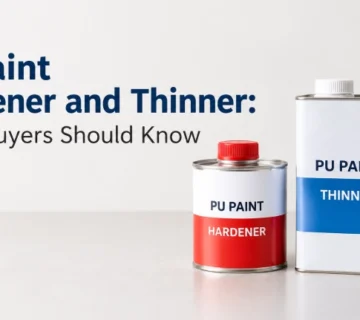
- Base paint
- Hardener
Some applications also require a recommended thinner.
Always:
- Follow the manufacturer’s mixing ratio
- Mix thoroughly
- Allow the recommended induction time if specified
- Use the mixture within its pot life
Incorrect mixing can reduce durability and affect the final finish.
Step 4: Select the Right Application Method
PU paint can be applied using different methods depending on the project.
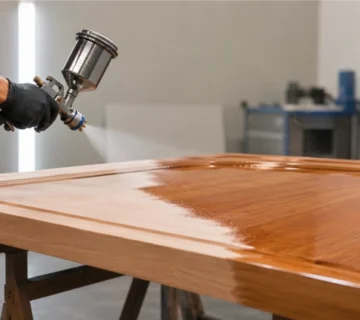
Spray Painting
Ideal for:
- Automotive parts
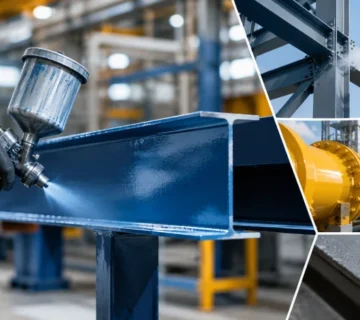
- Industrial products
- Metal furniture
Advantages:
- Smooth finish
- Fast application
- Uniform coating
Brush Application
Suitable for:
- Small repairs
- Corners
- Limited surface areas
Roller Application
Best for:
- Flat panels
- Large wooden surfaces
- Certain industrial applications
Professional spray equipment generally produces the highest-quality finish.
Step 5: Apply the First Coat
Apply a thin and even coat.
Avoid:
- Thick layers
- Uneven spraying
- Paint runs
- Excessive overlap
Maintain consistent spray distance and pressure for uniform coverage.
A thinner first coat provides a stronger foundation for additional coats.
Step 6: Allow Proper Flash-Off and Drying Time
Drying time depends on:
- Temperature
- Humidity
- Ventilation
- Product formulation
Do not apply the next coat before the previous layer has flashed off properly.
Rushing this stage can lead to:
- Bubbling
- Wrinkling
- Poor adhesion
- Uneven gloss
Always follow the drying recommendations provided by the manufacturer.
Step 7: Apply Additional Coats
Most PU coating systems require two or more coats.
Each coat improves:
- Protection
- Appearance
- Film thickness
- Weather resistance
Apply each layer evenly while maintaining recommended drying intervals.
Step 8: Final Curing
Although the paint may feel dry within hours, complete curing usually takes longer.
During curing:
- Avoid heavy handling
- Protect from moisture
- Prevent impact
- Keep away from chemicals
Complete curing allows the coating to achieve maximum hardness and durability.
Common Mistakes to Avoid
Many coating failures happen because of simple application mistakes.
Avoid these common errors:
- Skipping surface preparation
- Incorrect paint-to-hardener ratio
- Applying thick coats
- Painting in dusty environments
- Ignoring drying time
- Using incompatible primers
- Poor ventilation during application
Paying attention to these details helps produce a professional-quality finish.
Safety Tips During PU Paint Application
PU coatings contain chemicals that require safe handling.
Follow these basic safety practices:
- Wear gloves
- Use protective eyewear
- Wear a suitable respirator
- Work in a well-ventilated area
- Keep paint away from open flames
- Store materials according to manufacturer guidelines
The Occupational Safety and Health Administration (OSHA) also provides guidance on safe handling of paints and coatings.
Where PU Paint Is Commonly Used
PU coatings are widely used across many industries because of their excellent durability.
Typical applications include:
- Industrial machinery
- Automotive components
- Metal furniture
- Wooden furniture
- Steel structures
- Agricultural equipment
- Construction machinery
- Electrical panels
- Commercial interiors
Their combination of appearance and protection makes them suitable for both decorative and industrial applications.
Tips for Achieving the Best Finish
Professionals often follow a few additional practices to improve coating quality.
- Paint in a clean environment.
- Maintain the recommended temperature during application.
- Use calibrated spray equipment.
- Mix only the quantity required.
- Check humidity before painting.
- Allow complete curing before packing or installation.
- Follow the manufacturer’s technical data sheet.
These small steps can significantly improve the final appearance and coating life.
Conclusion
A successful step-by-step PU paint process starts with proper surface preparation, correct mixing, careful application, and sufficient curing time. Every stage contributes to achieving a durable, attractive, and long-lasting finish.
Whether you work in manufacturing, automotive, furniture production, construction, or industrial maintenance, following the correct application procedure helps reduce rework and improves coating performance.
If you are looking for high-quality polyurethane coatings backed by industry experience, Nano Polycoat is a trusted PU paint manufacturer in Ahmedabad serving customers across Gujarat, India, Africa, and Sri Lanka with reliable coating solutions for diverse industrial applications.
Frequently Asked Questions
- What is the complete step-by-step PU paint application process?
The complete process includes cleaning the surface, sanding if needed, applying a suitable primer, mixing the PU paint with hardener in the recommended ratio, applying multiple thin coats, allowing proper drying between coats, and giving the coating enough curing time for maximum durability.
- Which surfaces can PU paint be applied to?
PU paint works well on metal, wood, steel structures, furniture, automotive parts, machinery, and industrial equipment. The correct primer and proper surface preparation are essential to achieve strong adhesion and a durable finish on different materials.
- How long does PU paint take to dry and cure?
Most PU paints become touch dry within a few hours, but complete curing may take several days depending on the product, temperature, humidity, and ventilation. Following the manufacturer’s recommended drying schedule ensures the coating reaches its full strength and performance.
- Can I apply PU paint with a brush instead of a spray gun?
Yes. A brush or roller can be used for small projects, maintenance work, or flat surfaces. However, spray application generally produces a smoother, more uniform finish and is preferred for automotive, furniture, and industrial coating applications.
- How do I choose the right PU paint manufacturer in India?
Choose a manufacturer with proven industry experience, consistent product quality, technical support, and coatings that meet your application requirements. Reliable manufacturers also provide clear product specifications, recommended application methods, and after-sales guidance for better coating performance.
- Why is surface preparation important before applying PU paint?
Surface preparation removes contaminants such as rust, grease, dust, and loose particles that can weaken adhesion. A clean, properly prepared surface helps the coating bond effectively, resulting in better durability, improved appearance, and longer service life.