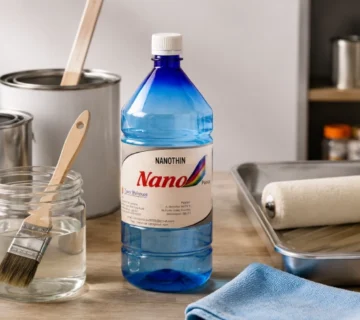

The thinner manufacturing process in India plays a critical role in ensuring high-performance coatings across industries. From automotive refinishing to industrial coatings, the right thinner directly impacts finish quality, drying time and durability.
If you’re looking for reliable solutions from PU thinner manufacturers in India, explore trusted products here.
This guide breaks down how thinner is manufactured, what makes it effective and how to choose the right type for your application.
What is Thinner and Why It Matters
Thinner is a blend of solvents used to
- Adjust paint viscosity
- Improve flow and leveling
- Enhance drying performance
- Clean painting tools and equipment
In real-world applications, the wrong thinner can lead to uneven finishes, poor adhesion, or longer drying times. That’s why understanding the manufacturing process is important for both industrial buyers and end users.
Raw Materials Used in Thinner Manufacturing
The quality of thinner depends heavily on the selection of raw materials.
Common Solvents Used
- Aromatic hydrocarbons (like toluene and xylene)
- Ketones (acetone, MEK)
- Esters and alcohols
Each solvent contributes specific properties such as evaporation rate, solvency power and compatibility with coatings.
Quality Control at This Stage
Experienced manufacturers in Ahmedabad and Gujarat carefully test raw materials for:
- Purity levels
- Chemical stability
- Consistency across batches
This ensures the final product performs reliably in industrial conditions.
Step-by-Step Thinner Manufacturing Process in India
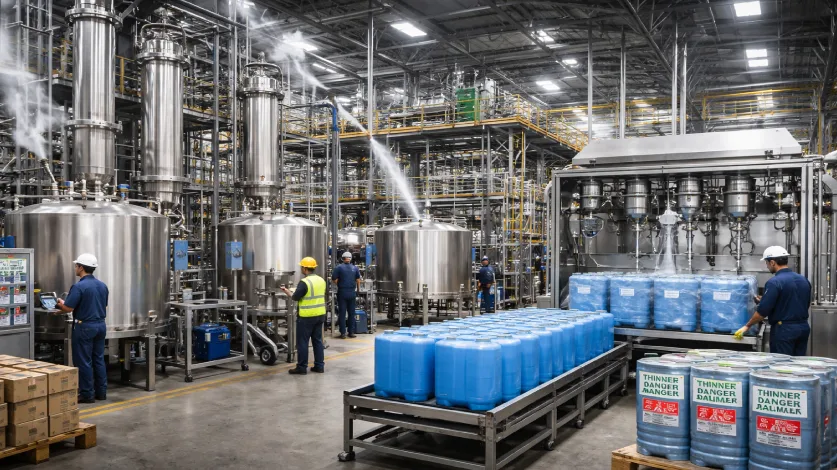
A professional thinner manufacturer in Ahmedabad follows a structured and controlled process to maintain consistency and safety.
1. Formulation Design
The process starts with selecting the right solvent combination based on the following:
- Paint type (PU, epoxy, acrylic)
- Required drying speed (fast, medium, slow)
- Application method (spray, brush, dip)
Custom formulations are often developed for industrial clients.
2. Precise Blending of Solvents
Measured quantities of solvents are mixed in controlled environments.
- Automated mixing systems ensure accuracy
- Temperature and humidity are monitored
- Batch consistency is maintained
This step defines the overall performance of the thinner.
3. Filtration and Impurity Removal
The blended thinner is passed through filtration systems to remove the following:
- Dust particles
- Undissolved impurities
- Contaminants
Clean thinner ensures smooth paint application and avoids surface defects.
4. Quality Testing and Performance Checks
Before packaging, the product undergoes strict testing:
- Evaporation rate testing
- Compatibility with different paints
- Drying time analysis
- Residue check
Manufacturers often follow safety and chemical handling standards outlined by organizations like OSHA.
5. Packaging and Storage
Final products are packed in:
- Industrial drums
- Small containers for retail
- Bulk packaging for large-scale users
Proper labeling, sealing and storage conditions are maintained to ensure safety and shelf life.
Types of Thinner Manufactured in India
Leading thinner suppliers in India offer a wide range of products tailored to different industries.
Common Industrial Thinner Types
- PU Thinner (Fast Dry, Medium, Slow Dry)
- Epoxy Thinner
- Acrylic Thinner
- Synthetic Thinner
- Auto Thinner
- Melamine Thinner
- Stoving Thinner
- Universal Thinner
Specialized Offerings
Manufacturers like Nano Polycoat provide advanced solutions such as:
- Super Royal Thinner
- Retardant Thinner
- Thinner – 999 / 1000
- DAA Thinner
- Thinner – JC 18-X
These are designed for specific industrial needs where standard thinners may not deliver optimal results.
Applications Across Industries
A reliable thinner supplier in Ahmedabad caters to multiple sectors.
Automotive Industry
- Paint dilution for smooth finishes
- Faster drying for production lines
Furniture & Wood Industry
- Enhances polish and coating flow
- Improves surface finish quality
Construction & Infrastructure
- Used in protective coatings
- Ensures uniform application
Industrial Manufacturing
- Machinery coating processes
- Metal surface preparation
DIY & Retail Use
- Easy paint application
- Cleaning and maintenance
Why Gujarat is a Hub for Thinner Manufacturing
Choosing a thinner manufacturer in Gujarat offers several advantages:
- Strong chemical industry base
- Availability of quality raw materials
- Skilled technical workforce
- Efficient logistics and supply chain
Manufacturers in this region are known for delivering consistent quality in both small and bulk quantities.
Choosing the Right Thinner Bulk Supplier
Selecting the right thinner bulk supplier can impact your production efficiency.
Key Factors to Consider
- Product compatibility with your paint system
- Consistent supply capacity
- Technical support and guidance
- Transparent pricing and quality assurance
A trusted supplier doesn’t just deliver products, they help optimize your coating process.
Practical Tips for Better Results
Based on industry experience, here are some useful tips:
- Always match thinner type with paint system
- Avoid over-thinning, which reduces coating strength
- Store in cool, dry conditions
- Test before large-scale application
These small steps can significantly improve finish quality and reduce rework.
Final Thoughts
The thinner manufacturing process in India is a precise and quality-driven operation. From raw material selection to final testing, every step directly impacts product performance and application results.
Manufacturers like Nano Polycoat follow structured production practices and quality checks to ensure consistent formulation, reliable performance and compatibility with different coating systems.
Whether you’re sourcing from a thinner manufacturer in Ahmedabad or a large-scale supplier in India, it’s important to focus on quality, consistency and technical support. The right partner helps achieve better finishes, smoother application and long-term operational reliability.
FAQ
- What is the thinner manufacturing process in India?
It involves selecting solvents, blending them in precise ratios, filtering impurities, testing performance and packaging. Each step ensures the thinner meets industrial standards for paint compatibility and drying efficiency.
- Who are the best thinner manufacturers in Ahmedabad?
Reliable manufacturers in Ahmedabad offer consistent quality, advanced production processes and customized thinner solutions for industries like automotive, furniture and construction.
- What types of thinners are used in industrial applications?
Common types include PU thinner, epoxy thinner, acrylic thinner and synthetic thinner. Each is designed for specific coatings and drying requirements.
- How to choose the right thinner supplier in India?
Check product quality, compatibility with your paint system, supply capacity and technical support. A good supplier ensures consistent performance and timely delivery.
- What is the role of PU thinner in automotive painting?
PU thinner improves paint flow, enhances finish quality and controls drying speed, making it essential for high-performance automotive coatings.
- Can thinner be used for cleaning purposes?
Yes, thinner is widely used to clean painting tools, remove paint residues and maintain equipment efficiency.
- What factors affect thinner performance?
Key factors include solvent composition, evaporation rate, storage conditions and compatibility with paint systems.